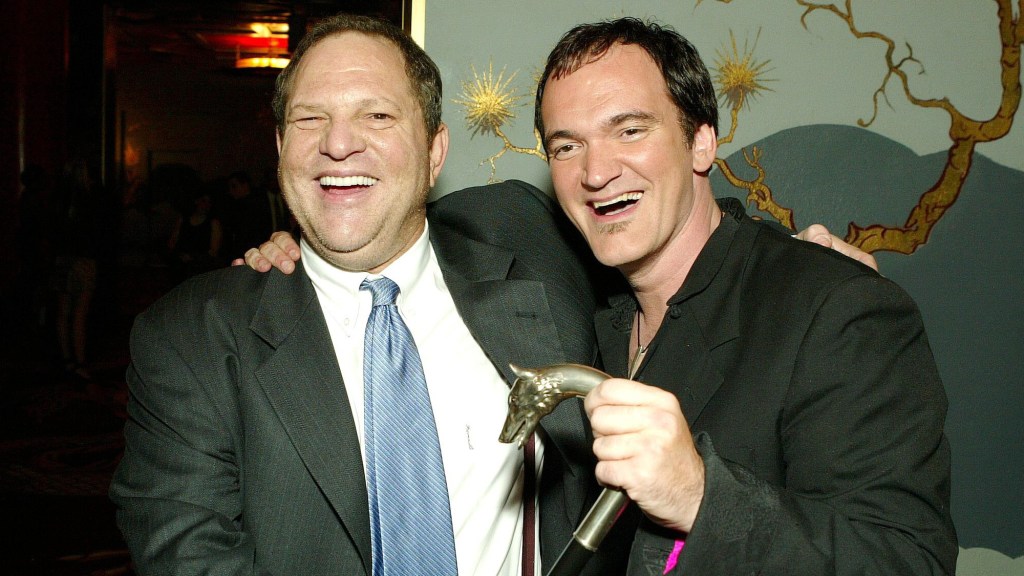
With Harvey Weinstein finally behind bars after a nearly two-year legal process, in a lot of ways – good ways, mind you – it’s the end of an era for the American film industry. And while Weinstein spent a good deal of the past three decades ruining young actresses’ lives, his impact on Hollywood, American Independent Cinema, and the merging of the two throughout the ‘90s cannot be understated. As the mastermind of Miramax, the largest indie film distributor of its time, and then later his own Weinstein Company after the turn of the century, Harvey and his brother Bob were major tastemakers in the industry – something incredibly apparent when looking at the Academy-granted accolades that films produced by the brothers racked up during their heyday. So, with the toppling of Weinstein and one of Hollywood’s dirtiest open secrets comes the end of an era not only business-and-culture-wise but also in terms of the people – mostly men, believe it or not – whose filmmaking careers the Weinstein’s and Miramax helped launch.
After all, what use is an entertainment company without its talent? And Miramax, along with the other independent production companies that popped up after its success, had no shortage of it. Look at the academy award winners of the ‘00s and ’10s, and then look back at some of the young talent working in these companies during the ‘90s. They the same people. Names like the Coen brothers, Soderbergh, Anderson (both of them), and Tarantino are all examples of individual filmmakers who while they achieved mainstream Hollywood successes later in their careers, all came up in the same scene of indie-films right as they began to cross over into the mainstream awareness. These were all up-and-coming, young directors, and in many cases, these unique perspectives they held are what granted them successes in the first place. Movies like Reservoir Dogs and Sex, Lies, and Videotape, were small, weird, and artsy, but fun. They captured a unique spirit of youthful energy that Hollywood was desperately lacking at the time, and tapped into it in a way that rewrote people’s ideas of what a low-budget, indie movie could be.
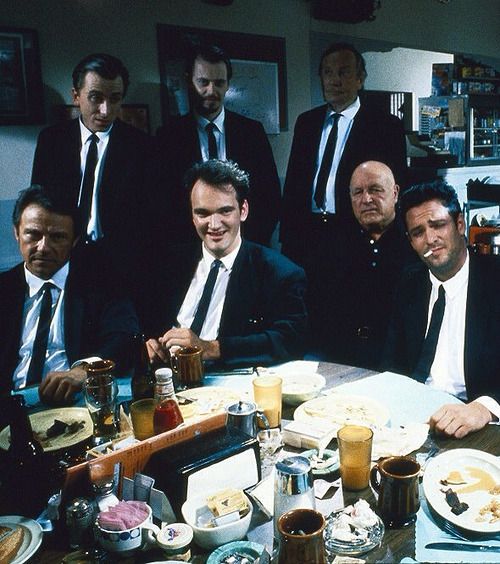
The only thing? That was thirty years ago. Tarantino was 28 years old when he made Reservoir Dogs. Now he’s 56. That youthful energy, capturing the moment as he did back in ’92? Not exactly possible anymore.
So, what role do these directors have now, in a rapidly changing Hollywood, both in terms of technical production, distribution, and culture of the industry as a whole? These guys were in their twenties when they built their names, in their thirties and forties when they won their awards, and now, pushing fifty and sixty, what role do they have in the industry? Are they going to ride the waves they’ve already made for themselves, enjoy the benefit of the doubt and their big budgets and just keep making the same prestige films they’ve been doing? Will some sell out? Or will some, managing to maintain the energy they built their names with, stay dynamic? Will they embrace this new vibe of Hollywood, throwing away everything they’ve learned in the past quarter-century in favor of new technologies and a consumer base that increasingly wants their films quick, digital-first, and free? These were the names that revolutionized the industry twenty-five years ago – surely a few must be able to match that same energy even as they inch closer and closer to sixty.
Tarantino is a perfect example of this phenomenon. He burst into the scene in ’92 with Reservoir Dogs, which even as a first feature, managed to be packed full of the type of style and directorial flair that turned industry heads. And while both the low-budget and age of Reservoir Dogs are starting to show, any Tarantino fan can go back to the film and point out quirks in the writing and directing that would continue to develop in Pulp Fiction, Inglorious Basterds, and Django Unchained – which would be considered the highlights of his ‘middle’ era. But now, that Tarantino is gone. He’s in his fifties now, and while his signature style is definitely still present in his films, his past two works are a great example of a director taking the energy that made them famous and channeling it in a newer, different era with great results.
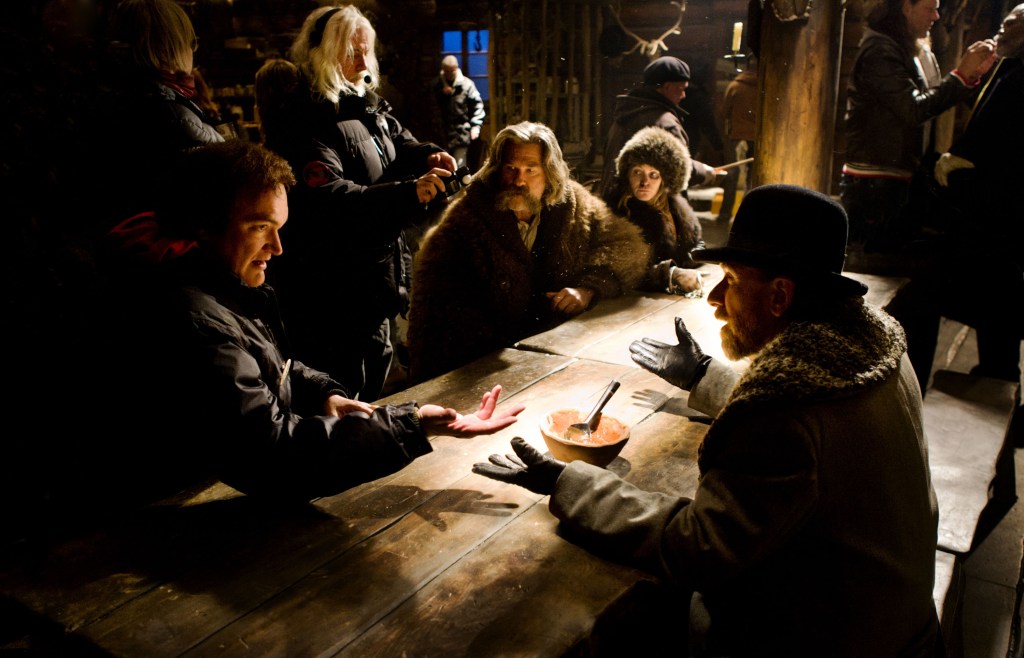
Both The Hateful Eight and Once Upon a Time in Hollywood feel distinctly Tarantino – they’re long, talky, sometimes to the point of being almost boring in parts, and stylishly, disturbingly violent in others. Crammed full of references, cameos, and callbacks just like Reservoir Dogs was, these films are in a lot of ways Tarantino capitalizing the style he started developing almost three decades earlier. But while Reservoir Dogs was Tarantino trying to make something flashy, noticeable, and full of energy, these two films, specifically The Hateful Eight, seem to be utilizing his style differently. Instead of the sleekness that Tarantino’s work from the ’90s seemed to ooze, The Hateful Eight feels a lot more restricted, but simultaneously mature, in its writing. The signature bits that make a Tarantino movie what it is are still there, but it seems like now he’s more confident in what he’s doing. He’s letting his brilliant actors and big-budget production values complement his writing now, making living worlds instead of scenarios. Overall, instead of making films with the intent of being noticed, it seems like Tarantino is now taking his energy and focusing on creating something stylishly timeless.
Other directors from the Miramax era were able to do very much the same thing as Tarantino, too. The Andersons – both Wes and Paul Thomas – capitalized on their independent successes in the ‘90s and started working on gradually more and more commercial releases. While neither in any way ‘sold out,’ both stuck to a production-system that fell somewhere in between Hollywood and the indie scene, and as the new millennium progressed, enjoyed developing their styles in bigger-budget, higher-profile releases. The Grand Budapest Hotel and There Will be Blood could never have been made by twenty-five-year-olds in 1996, but even with their high-profile and big-budget releases, both films are distinctly products of their director’s vision and style.
Perhaps Alfonso Cuaron – of Roma fame – said it best when he compared working as an artist in Hollywood to “eating a box of cereal”. First, Cuaron says, you have to put in the work, eating the cereal, if you want to “enjoy the prize at the bottom of the box”. To Cuaron – and surely many others – working within the system is just a means to get passion projects made. After all, for every Roma, there has to be a Prisoner of Azkaban to secure the funding. Though, Cuaron admits, there is a secret to the whole thing that makes it all worth it to him. Speaking of his friend and director of The Shape of Water Guillermo Del Toro, “we don’t tell our mothers… we love the cereal as well!” Maybe, then, ‘selling out’ as some artistically-minded critics might call it, isn’t even a bad thing. After all, a bad day working on Pacific Rim is probably better than a good day at a normal job, and if following through with the project gets you the goodwill to fund your next Oscar winner, all the better.
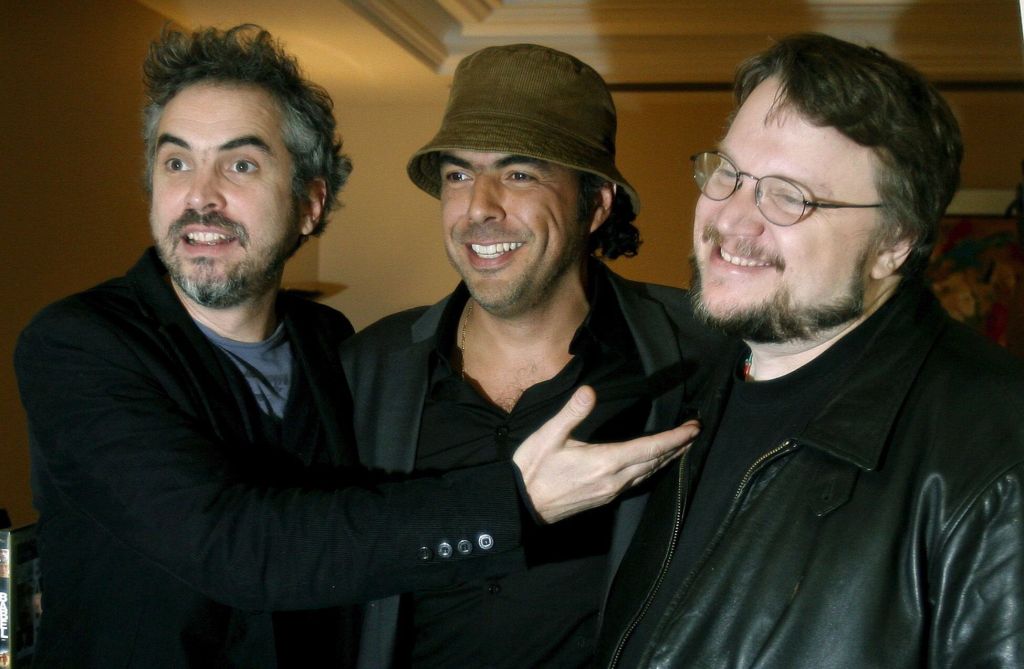
And while some of the faces that dominated the ‘90s scene have faded off (or we wish they’d fade away) over the years, either into semi-retirement or the studio system, there are still a few creative filmmakers who’re determined, for better or for worse, to stay with the times and not settle into a safe pattern like some of their contemporaries.
The Coen brothers, then, are a great example. Both comfortably in their sixties at this point, Joel and Ethan have been some of the most dynamic and weird filmmakers for the past thirty years. Even having been operating for the majority of the 2010s in traditional Hollywood distribution circles, the Coens have managed to consistently make mainstream-ish pictures that, despite their incredibly variable subject matter – all manage to have a distinctly ‘Coen’ flair. And while the brothers, especially compared to some of their contemporaries listed, such as Paul Thomas Anderson, have quite a few stinkers to their names – Hail Caesar! comes to mind, for recent works – no one can claim they’re complacent. Each Coen brothers production has something interesting to say – or at the very least, an interesting way to say it, something that’s been a stylistic constant in their work from the late eighties all the way to today
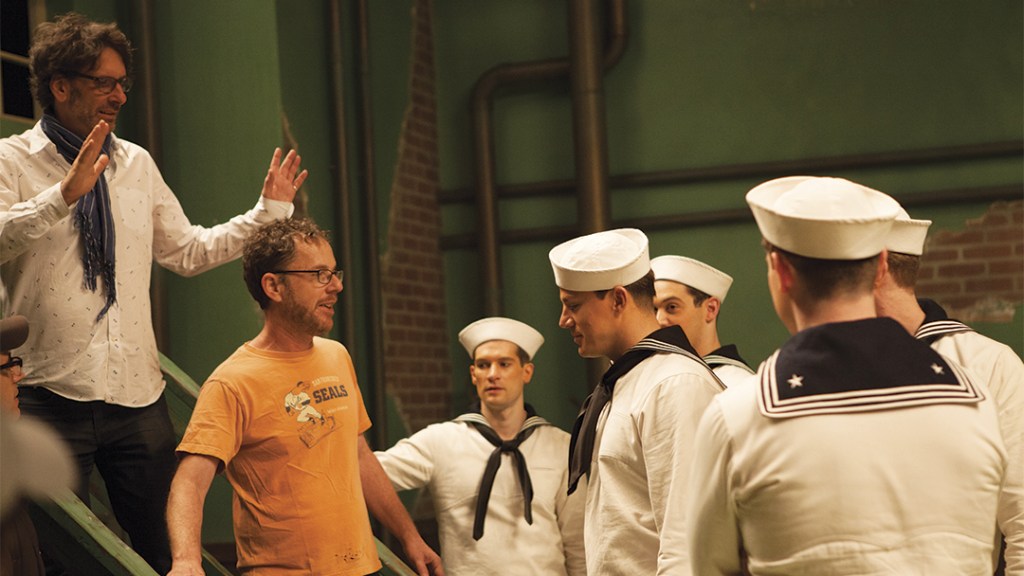
And while some of their colleagues may be happy to master their respective lanes with bigger and bigger budgets, the Coens are part of a very small group of already-established Hollywood filmmakers – along with greats like Scorsese, Cuaron, and as we’ll mention later, Soderbergh – to fully embrace the digital generation. 2018’s The Ballad of Buster Scruggs was the first of the Coen’s films to be distributed straight-to-digital by Netflix, and combined with its anthology-style narrative, proves that the brothers are still keen on experimenting with their work – both in terms of writing and in production. And while Buster Scruggs didn’t make quite the splash of Roma or The Irishman, it was still a well-liked film by both Coen fans and by critics – and came complete with the signature Joel-and-Ethan-weirdness. Buster Scruggs proves that the Coens still have some of that indie-darling energy that made them famous with Fargo and The Big Lebowski, and that, more than anything, should indicate that wherever the hell movies are going to go in the next decade, the brothers will certainly be involved.
Besides the Coens, though, one filmmaker of the ‘90s indie class has proved again and again that his come-up in the industry wasn’t a fluke or convenient timing, but rather that he’s constantly willing to experiment with new development, distribution, and production styles to tell his stories – a quality that has ensured Steven Soderbergh’s long term success in American cinema, Hollywood or otherwise. In many ways, Miramax’s (and Weinstein’s) first real hit, Soderbergh’s Sex, Lies, and Videotapes in ‘89 was one of the pillars of the imminent indie-surge. And while the successful decade of small-budget works was followed by being handed the reins of a major Hollywood franchise in the early 2000s (the Ocean’s movies), Steven Soderbergh is by no means a studio man.
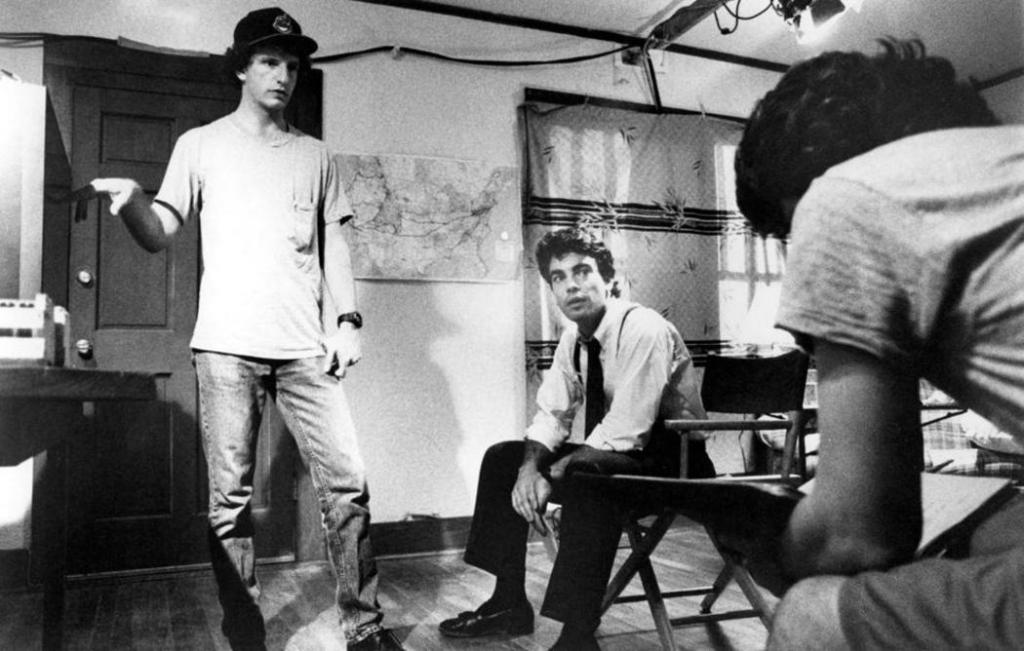
If the Ocean’s trilogy made an existing name huge, Soderbergh followed up his blockbusters with some strange stuff – the two-part Che biopic, the Matt Damon comedy The Informant, and the surprising crossover hit Magic Mike – stuff that having not been tackled by such a distinct and talented voice, wouldn’t have been anywhere near as successful. Even with occasional traditional Hollywood work, Contagion and after a brief ‘retirement’ from directing: Logan Lucky, is full of weird perspectives and his signature sleek and stylish directing techniques.
And now, as American movies transition further and further into the ‘Netflix’ era, Soderbergh has made it very clear that he’s not a part of the old guard – defending theatres, studios, and fading into obscurity as streaming prevails – but rather that he is not only willing but excited to experiment with new technologies. As a follow-up to Logan Lucky, 2018’s Unsane is a total reverse of what made its predecessor successful. A micro-budget horror film with a small cast, all of which Soderbergh shot on iPhone (a move he says will hopefully inspire future generations to get over the mental barrier that filmmaking gear matters). And while Unsane wasn’t exactly a success in box-offices or critically, he followed it up in 2019 a pair of Netflix-exclusive films: the also shot on iPhone High Flying Bird, about the NBA lockout, and the traditionally shot, though not written, The Laundromat, a black-comedy about the Panama Paper scandal. Both of these were successes for Soderbergh in ways that Unsane lacked and were further indications of Netflix’s future as a legitimate film distributor. Working with small budgets, talented actors, and minimal studio input, Soderbergh has been very vocal about enjoying this production-style and has said he plans to work with Netflix again in the future. Unlike some of the guys he came up in the industry with, Soderbergh has made it very clear that he’s never going to settle into a ‘routine’ with his movies – something that can lead to minor failures, like Unsane, but when it works, something unique clicks that a traditional studio movie lacks.
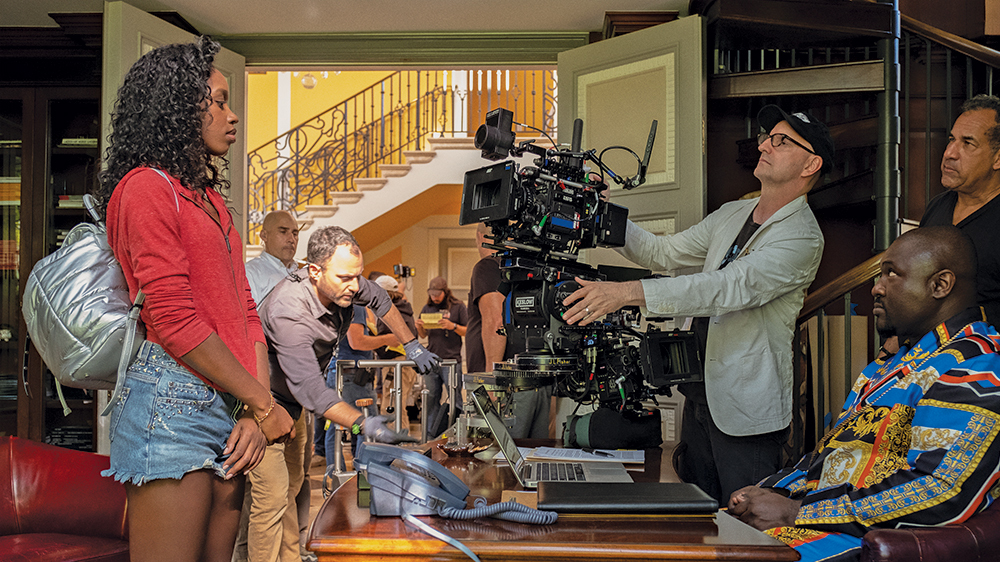
As both Hollywood and movies in general enter this new decade of digital distribution and new technology, the creatives that embrace the change are going to be the ones who end up dominating. Surely, this new decade will come with its fresh, new, exciting voices, but it’s also interesting to consider which of the ‘has-beens’ will be able to make the jump. While names like Villeneuve and Nolan will surely be reaching some incredible career highs over the next couple years, and soon-to-be-masters like Anderson will surely create something special, don’t count out the old guys like the Coens, Tarantino, and especially Soderbergh – who, while they are from a different era, have proven time and time again a love for not only movies but for making movies. In a culture where young voices are so associated with pushing the boundaries of the medium, it’ll be interesting to see what happens when these old guys try and do the same. If these guys can channel this energy again – at fifty-five, sixty, or even seventy years old, no matter their age – then they’ll continue to be dominant, interesting, and unique voices in cinema for years to come.

 airquotes